To deal with mould on a wall, scrub small patches off with detergent and water, dry the surface, then fix the moisture feeding it: in Cyprus homes that is usually winter condensation, a leak or rain getting in. Patches bigger than about a square metre, or growth after sewage or flood water, are a job for professionals.
Key takeaways
- No moisture, no mould: drying the wall matters more than the product you scrub with.
- Condensation, rain getting in, rising damp and plumbing leaks can look alike at first, but each needs a different fix.
- Hard-surface patches up to about a square metre are a DIY job; beyond that, or after sewage or flood water, use professionals.
- Renting? Tell the landlord in writing, with dated photos, before you start cleaning.
Why a sunny island gets mouldy homes
The Met department’s climate summary (2019 archived copy) describes the island’s winters as rainy and changeable, running roughly from November to mid-March, and notes that the air stays humid at night all year round, with relative humidity of about 65 to 95% on winter days. The Deputy Ministry of Tourism’s climate page gives the same 65 to 95% range for winter days and for nights all year. Indoors, cooking, showers, drying laundry and simply breathing add more water vapour to that air.
Many homes here are built to stay cool in summer: concrete frames, tiled floors and, in a lot of older flats, little wall insulation and single glazing. In winter those surfaces stay cold, and when warm room air touches them, the water in it condenses. Rooms that are heated for an hour or two and then left cold suffer most, and so do holiday homes that stay shut all winter.
Mould spores are present in all indoor and outdoor air. The US Environmental Protection Agency puts it simply: none of them grow without water or moisture. That is why every lasting fix starts with the water, not with bleach.
UK government guidance on damp and mould sorts damp into four kinds, and notes that more than one can be at work in the same home. Getting this right first saves you paying for the wrong repair.
Condensation: the most common cause
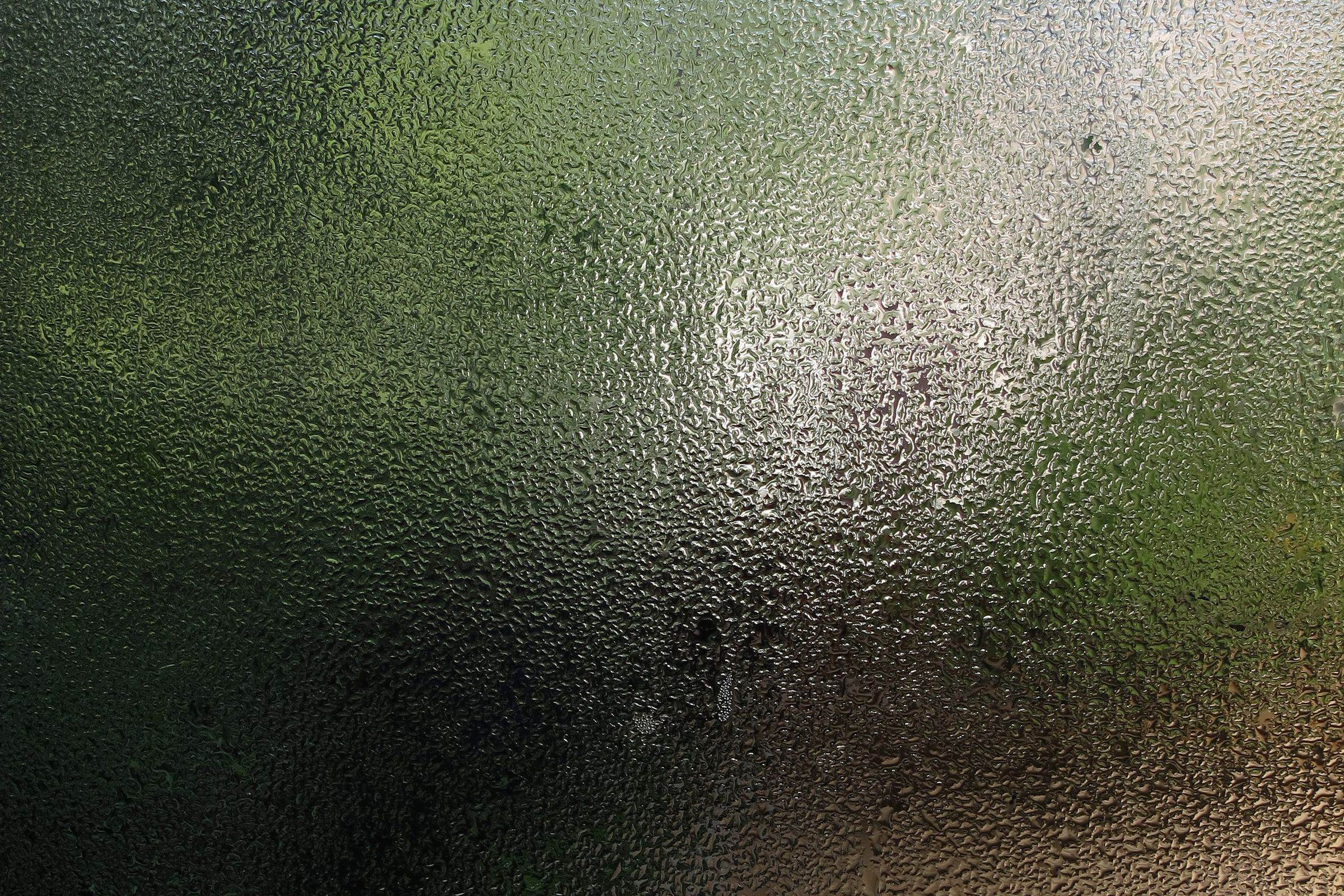
Condensation is water vapour from indoor air settling on a cold surface. Look for droplets on the inside of windows in the morning, and mould in room corners, along the top of outside walls, behind sofas and wardrobes that stand against them, and in bathrooms. It gets worse in cold spells and eases when you air the room.
Rain getting in (penetrating damp)
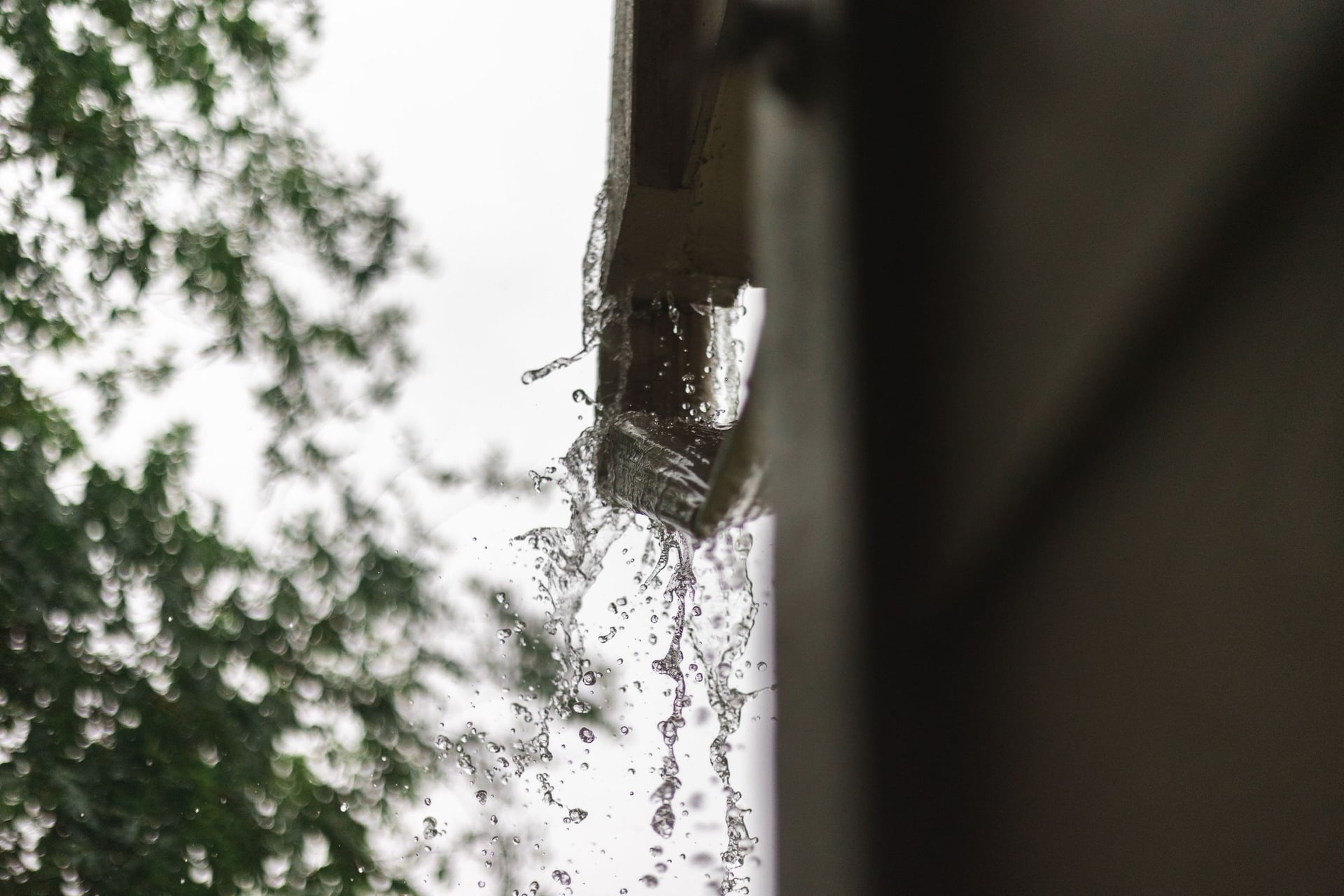
Water travelling through the building from outside: cracked render, worn roof or terrace waterproofing, blocked gutters or tired window seals. These patches tend to grow or darken after rain, and often sit under a terrace, below the roof slab or beside a window frame.
Rising damp
Ground moisture moving up through a wall shows as a tide mark low down on ground-floor walls, often with flaking paint or salty, crumbly plaster. The UK guidance says it is often misdiagnosed and mostly affects older buildings, so it should be confirmed by testing rather than assumed.
Plumbing and appliance leaks
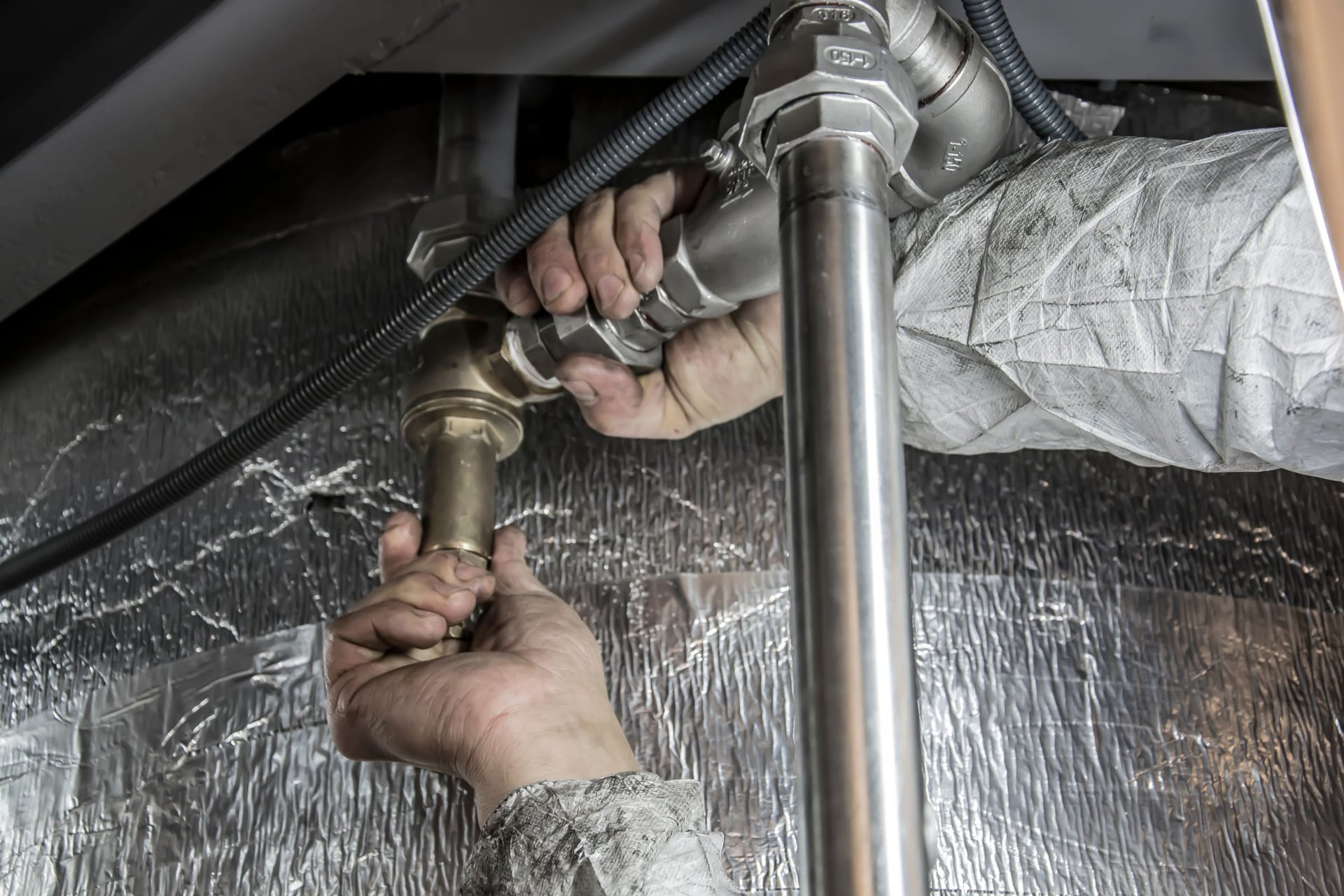
A patch that stays wet whatever the weather, near a bathroom, a kitchen, a water heater pipe or an indoor AC unit, points to a leaking pipe or a blocked condensate drain. A musty smell with nothing visible can mean mould is growing out of sight: behind furniture, under flooring or on the back of wallpaper.
Is it a health risk?
The World Health Organization’s guidelines on dampness and mould link damp, mouldy homes with more respiratory symptoms, allergies and asthma. The EPA adds that mould can cause hay-fever-type reactions and skin rashes in sensitive people, and can irritate the eyes, nose, throat and lungs even in people who are not allergic.
UK government guidance names the people most at risk: anyone with asthma, allergies or another lung condition, people with a weakened immune system, children, older people and pregnant women. If someone at home has health concerns, talk to a doctor before a clean-up, and keep them out of the room while you work.
How to clean a small patch safely
The EPA’s mould guide sets the limit for doing it yourself at about 10 square feet, roughly one square metre. Above that, or where the water came from sewage or a flood, the clean-up is for professionals.
Photograph and mark it
Take dated photos before you touch anything. UK guidance also suggests marking the edge of the patch, so you can tell later whether it is spreading back.
Protect yourself
Wear rubber gloves, goggles and a well-fitting mask (the EPA suggests an N-95 respirator), and keep mould off bare skin. Shut the door to the rest of the home and open the window.
Clean it off, don’t just kill it
On tiles, glass, painted walls and window frames, scrub with detergent and water or a product made for mould, then wipe the area dry. The EPA does not recommend bleach as a routine step, because dead mould can still trigger allergies and has to be removed anyway. Never mix bleach with cleaners that contain ammonia: the fumes are toxic.
Bag what can’t be saved
Porous materials such as ceiling tiles, carpet and badly affected soft furnishings may have to go, because mould grows into them. Seal them in bags before carrying them through the house.
Let it dry before you paint
Give the wall time to dry out completely. The EPA warns that paint or caulk applied over mould is likely to peel, so repaint only once the cause is fixed.
Silicone, grout and window seals
Mould that has grown into silicone sealant usually leaves a dark stain that no cleaner shifts. The lasting fix is to cut out the old bead, let the joint dry and reseal it, a routine job for a handyman.
Clothes, curtains and wardrobes
Wash what can be washed and dry it fully, outdoors if you can. Leather, upholstery and anything valuable or sentimental is better shown to a specialist cleaner or restorer, as the EPA suggests.
Mould treatment options compared
What each option does, when it fits and who usually does it. None of them lasts unless the moisture is dealt with too.
| Option | What it does | When to use it | Who does it |
|---|---|---|---|
| Detergent and water | Lifts mould off hard surfaces | Tiles, glass, painted walls, frames | DIY |
| Bleach | Whitens stains; not recommended routinely | Rarely; never mixed with ammonia | DIY, with care |
| Cut out and reseal | Replaces stained silicone sealant | Stains that cleaning won’t shift | DIY or handyman |
| Throw away | Removes mould grown into the material | Carpet, ceiling tiles, soaked fabrics | DIY for small items |
| Anti-mould paint | Coats a clean wall | Only on a dry wall, cause fixed | DIY or decorator |
| Dehumidifier or AC dry mode | Lowers indoor humidity | Condensation in closed rooms | DIY |
| Repair the source | Stops water reaching the wall | Leaks, rain getting in, rising damp | Pro |
| Professional clean-up | Contained removal of large growth | Over about 1 m², sewage or flood water | Pro |
When to call a pro
Bring in a professional when:
- The patch is bigger than about a square metre, or is back within weeks of cleaning.
- There is a tide line low on a wall, a stain under a terrace or roof, or damp that gets worse after rain.
- A wall or floor stays wet in dry weather, or you can hear water running with every tap off.
- The home smells musty but you cannot find the source.
- The water came from sewage or a flood.
- Someone in the household has asthma, a lung condition or a weakened immune system.
Try to get the diagnosis from someone who is not also selling the cure. Ask what they think the cause is and how they know, whether they took moisture readings, what they will repair rather than just treat, and how they will check the wall has dried. UK guidance suggests checking again at least six weeks after the work.
Which pro fixes which cause
Match the trade to what you found:
- Leaking pipes, drains or a water heater: a plumber.
- Silicone, seals, small plaster and paint repairs: a handyman.
- Failed window frames, seals or glazing: an aluminium windows installer.
- An indoor AC unit dripping down the wall: an AC technician.
- A thorough clean once the source is fixed: a cleaning company.
Roof and terrace leaks are covered in our before the first rains checklist.
For other jobs around the house, see our repairs, windows and carpentry guides.
Describing the job to a pro
A clear description lets a pro judge the job before visiting. Include:
- Your town or village.
- Where the damp is, on which floor, and whether the room sits under a roof or terrace.
- When it shows: all year, only in winter, or after rain.
- Roughly how big it is and how long it has been there.
- What you have tried so far, and whether it came back.
- Photos of the patch and of the outside wall behind it.
Posting a job on Ergo is free. Ergo is new, so we may not have a pro for your trade and area yet. If we do, we send your request to independent local pros whose trade and city match; they can contact you, and you agree the price and the work with them directly. If we don’t, we’ll tell you and won’t pass your request to anyone.
Need someone to take a look?
Sent to local pros whose trade and city match. No match yet? We'll tell you.
Stopping it coming back through a Cyprus winter
Both the EPA and the UK guidance make the same point: if you clean the mould but leave the moisture, it will most likely return. Most of what works is daily habit:
- Air every room daily, even for ten minutes on a cold morning.
- Run the extractor fan, or open a window, while you shower or cook and for a while afterwards; put lids on pans.
- Keep the bathroom and kitchen doors closed while they are steamy so the moisture does not spread.
- Dry laundry outside or on a covered balcony when you can, or indoors with a dehumidifier running.
- Keep indoor relative humidity below 60%, ideally between 30 and 50%, as the EPA recommends; a small hygrometer shows you the reading.
- In rooms that stay damp, use a dehumidifier or the dry or heating mode on your split AC, and keep its condensate drain clear.
- Leave a gap of a few centimetres between furniture and outside walls, and don’t pack wardrobes tight against them.
- Heat the home more evenly: a cold bedroom next to a warm living room collects condensation.
Insulation and new windows can help, but sealing a home more tightly without better ventilation can make condensation worse. The UK guidance asks for ventilation to be considered whenever insulation or heating is changed.
Holiday homes and rentals over the winter
A flat shut from autumn to spring gets no airing and no heat, so mould can build up unseen. Before you lock up, clear gutters and terrace drains, prop wardrobe and cupboard doors open, store bedding and clothes in breathable bags rather than sealed plastic, and pull furniture away from outside walls.
If you can, have someone open the windows on dry days and look for leaks after heavy rain. A dehumidifier that drains through a hose can run unattended; follow the maker’s instructions.
If you rent and damp appears, report it to the landlord in writing as soon as you notice it, attach dated photos and keep copies. The EPA gives renters the same advice: report leaks and moisture problems straight away.
Winter damp checklist
Tick these off before the cold weeks:
- Gutters and terrace drains cleared
- Window seals and silicone checked
- Extractor fans working
- Hygrometer in the bedroom
- Furniture off outside walls
- Dehumidifier or AC dry mode ready
- Holiday home aired and checked
Questions people ask
Does bleach kill mould on walls?
Bleach can whiten mould on hard surfaces, but the US EPA does not recommend it for routine clean-ups, because dead mould can still cause allergies and has to be scrubbed off anyway. Detergent and water does the job. If you do use bleach, ventilate the room and never mix it with anything containing ammonia.
Why does mould keep coming back?
Because the moisture that fed it is still there. Spores are always in the air, so until condensation, a leak or rain getting in is fixed, they will grow again on the same damp surface, usually within weeks.
Can mould make you sick?
It can. The WHO links damp, mouldy homes with more respiratory symptoms, allergies and asthma, and the EPA lists sneezing, a runny nose, red eyes, skin rashes and asthma attacks among the reactions. People with asthma, allergies or a weakened immune system are most at risk. If anyone at home has symptoms, speak to a doctor.
Is black mould more dangerous than other mould?
You can't judge the risk by colour. The EPA and WHO guidance covers indoor mould and damp in general, so treat any mould the same way: clean it off safely and fix the damp behind it.
How do I stop mould in my bedroom in winter?
Air the room for a few minutes every morning, keep the wardrobe and bed a few centimetres off outside walls, and keep the room evenly warm rather than heating it in short bursts. If the windows and walls still run with condensation, a dehumidifier or your split AC’s dry mode will bring the humidity down; aim for below 60%.
Does a dehumidifier help with mould and damp?
For condensation, yes: it pulls water out of the air in rooms that stay damp, and the dry mode on a split AC does a similar job. It will not fix a leak, rain getting in or rising damp; those need a repair.
Why does mould grow on silicone?
Because sealant around showers, baths and sinks stays wet for long spells and collects soap residue, so mould grows on it and then into it. Surface spots clean off; dark stains inside the bead usually mean cutting it out and resealing, a routine handyman job.
I rent and there is mould. What should I do?
Tell the landlord in writing straight away, attach dated photos and keep copies. Ask for the cause to be identified before anyone just paints over it, and agree any work in writing. Who pays depends on the cause and on your tenancy agreement.
Who fixes damp in a Cyprus home?
It depends on the cause. A plumber deals with leaking pipes and water heaters, a handyman with silicone, seals and small plaster repairs, an aluminium installer with failed window frames, and an AC technician with an indoor unit dripping down the wall. Rain coming through a roof or terrace needs the waterproofing repaired.
Sources
- Cyprus Department of Meteorology: The climate of Cyprus (archived copy, web.archive.org)
- Deputy Ministry of Tourism: Climate & weather (visitcyprus.com)
- US Environmental Protection Agency: A Brief Guide to Mold, Moisture and Your Home (epa.gov)
- UK Government: Understanding and addressing the health risks of damp and mould in the home (gov.uk)
- World Health Organization: WHO guidelines for indoor air quality: dampness and mould (who.int)
Fix damp, leaks or seals for a living? Create a free profile; we review each sign-up.
Join as a proErgo introduces you to independent local professionals. You agree the price and pay them directly; we do not carry out or manage the work. This guide is general information, not medical or legal advice.